Advanced energy storage options are changing the way power is managed in industrial parks all over the United States. Industrial facilities that need reliable, efficient, and scalable power options can't do better than a Vertical Energy Storage System. These new methods provide a steady supply of energy while lowering costs and harming the environment. Modern industrial complexes need strong battery control systems that can handle power needs that change over time. Because they are small and hold a lot of energy, vertical storage solutions are perfect for industrial settings with limited room where every square foot counts.
Understanding Key Performance Indicators for Industrial Energy Storage
Certain factors decide how well and how long an energy storage system will last when it is being looked at for industrial use. When room is limited, energy density is a key factor in getting the most storage space. Power density changes how quickly energy can be used up when demand is high.
With a standard voltage of 51.2V and a capacity of 280Ah, our TP-48280V model performs exceptionally well and reliably stores 14.33 kWh of energy. The system can handle a recommended discharge current of up to 170A, which means it can provide enough power for demanding commercial uses. Compared to older battery technologies, this one lasts a very long time. It can be charged and discharged over 6,000 times at 80% depth of discharge.
Up to 10 units can be connected in parallel thanks to the flexible design. This makes it possible to create energy solutions that can grow with your facility's needs. Communication through CAN and RS485 protocols makes it possible to connect to industrial control systems that are already in place. Bluetooth and 4G modules that can be added as options allow for remote monitoring, which is important for modern industrial processes.
Safety certifications like IEC62619, UN38.3, and MSDS make sure that foreign standards are met. The small size (550 x 420 x 650 mm) and light weight (18 kg) make placement more flexible while still providing industrial-grade durability.
Core Benefits Transforming Industrial Park Operations
Energy storage systems have huge advantages that have a direct effect on how profitable and efficient an industrial park is as a whole. One of the biggest benefits is peak demand management, which lets businesses save money on power by storing energy during off-peak hours and using it during expensive peak times.
When industrial parks use smart battery management systems, grid stability gets a lot better. These systems respond instantly to changes in power, keeping sensitive equipment safe from voltage changes and problems with the quality of the power. This stability is very helpful for manufacturing processes that need a steady source of electricity.
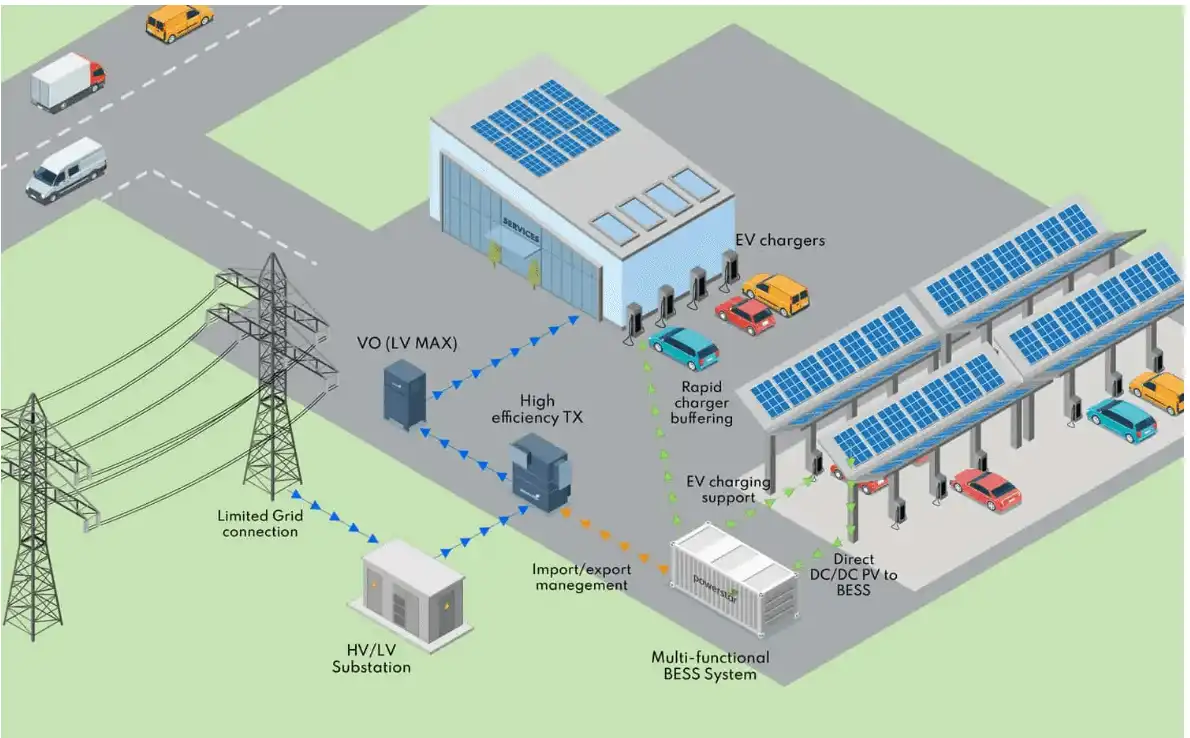
With the right energy storage system, integrating renewable energy is a breeze. Solar panels and wind turbines produce variable amounts of energy, but storage systems even out these changes, which means that green energy can be used in industry. This integration cuts down on carbon emissions and could help facilities get green energy benefits.
Having emergency backups in place makes sure that the business keeps running when the power goes out. Important systems stay up and running, which keeps output from stopping and saves valuable equipment. Fast charging features cut down on downtime during maintenance times.
Cost effectiveness is achieved by lowering demand charges and finding the best ways to buy energy. Demand charges based on peak usage are common for industrial sites and can be very high. These peaks are flattened by storage systems, which saves a lot of money every month.
TOPAK's Vertical Solutions Versus Market Alternatives
TOPAK New Energy Technology is different from others in the field because we take a comprehensive approach to developing and making energy storage. Since our start in 2007, we've been providing reliable industrial solutions in more than 15 countries around the world.
Compared to generic solutions, our in-house created battery management system has more safety features and better performance optimization. A lot of manufacturers use BMS parts made by other companies, but our engineering team creates the whole system control, making sure that it works perfectly and has all the latest safety features.
Large-scale automatic production lines make sure that quality is always the same and that orders are delivered quickly. Our 25,000□ factory in Dalang Industrial Park uses high-tech automation to keep up with the highest standards of precision production. Because of this skill, we can meet strict industrial supply schedules while keeping our prices low.
Our Vertical Energy Storage Systems have thermal management systems that go above and beyond industry standards. These systems use innovative cooling design and tracking tools to keep an eye on things. Electrochemical performance stays the same over a wide range of temperatures, which is very important in industrial settings where the weather changes often.
One of the biggest problems industrial customers have with buying from overseas sellers is that they can't get localized support and technical help. Global distribution networks solve this problem. When you need technical help or warranty services, our regional partners make sure you get them quickly.
Maximizing Benefits Through Strategic Implementation
For energy storage to work best, it needs to be carefully planned out, and you need to know how your building's power works. Load analysis should come before system size to make sure there is enough capacity for times of high demand. Monitoring the state of charge is essential for keeping the system running well and lasting a long time.
The placement of an installation affects both how well it works and how easy it is to do upkeep on it. Vertical Energy Storage Systems work best in climate-controlled spaces that have enough air flow to keep the temperature down. Stay away from places where the temperature changes a lot or where the humidity is high.
To join to the current electrical infrastructure, it needs to be looked at by a professional, and the connection equipment may need to be upgraded. For high voltage systems to work, they need to be installed by trained electricians who know the rules for industrial electrical systems.
Regular maintenance plans extend the life of systems and keep them from breaking down without warning. Batteries slowly lose their power, but keeping an eye on them can help you figure out when to change them and keep them working at their best. Updating the software on the battery control system keeps it compatible with changing grid needs.
Strategies for saving energy should make sure that storage activities work with the production schedules of your facility. Programming charge and discharge processes to match how things are used saves the most money and makes batteries last longer. When making optimization programs, you should think about how energy costs change with the seasons.
Critical Implementation Considerations
During the installation and running phases, safety rules must be followed to the letter. Chemicals, high temperatures, and electromagnetic radiation are just some of the problems that can happen in industrial settings. Grounding and surge protection that work right keep tools from breaking and keep workers safe.
The environment has a big effect on how well and how long a system lasts. Even though our systems work reliably in a wide range of temperatures, extreme conditions may call for extra safety steps or climate control solutions.
Grid interconnection rules depend on where you live and which energy company you use. Knowing what the local rules are can help avoid delays and make sure that electricity codes are followed. Large-scale energy storage installations may need special permits or checks in some places.
Planning for scalability helps keep systems from having to be redone at high cost as energy needs rise. Modular design lets you add small amounts of capacity over time, but the electrical infrastructure should be able to handle future growth from the original installation.
Long-term running costs are affected by how easy it is to do maintenance. Make sure there is enough room around installations for maintenance and possible component replacement. The emergency shutdown steps should be written down clearly and be easy for facility staff to find.
Conclusion
Vertical Energy Storage Systems are a game-changing way for industrial parks to control their power in a way that is reliable, efficient, and scalable. High energy density, advanced safety features, and smart management tools work together to make operations run more smoothly and save money on energy costs over time. TOPAK has a track record of creating custom industrial solutions that work well. Our in-house battery management technology and global support network make us the perfect partner for your energy storage needs. The future of managing energy in factories lies in putting advanced storage technologies to smart use in ways that save money right away and help the business in the long run.
FAQ
Q: How long does a Vertical Energy Storage System last in industrial applications?
A: Our TP-48280V systems provide over 6000 charge-discharge cycles at 80% depth of discharge, typically translating to 10-15 years of reliable service in industrial environments. Actual lifespan depends on usage patterns, environmental conditions, and maintenance practices. Proper thermal management and avoiding deep discharge cycles can extend operational life significantly.
Q: Can these systems integrate with existing renewable energy installations?
A: Yes, our energy storage systems seamlessly integrate with solar panels, wind turbines, and other renewable sources. The advanced battery management system automatically manages charging from renewable sources while providing grid-tie capabilities. This integration maximizes renewable energy utilization and reduces dependence on grid power during peak rate periods.
Q: What maintenance requirements do vertical energy storage systems have?
A: Maintenance requirements are minimal due to our advanced design and quality components. Regular visual inspections, cleaning of ventilation areas, and software monitoring comprise most maintenance activities. Our remote monitoring capabilities through optional 4G modules enable proactive maintenance scheduling and early detection of potential issues.
Partner with TOPAK for Advanced Energy Storage Solutions
TOPAK delivers cutting-edge vertical energy storage systems designed specifically for demanding industrial applications. Our comprehensive approach combines proven manufacturing expertise with innovative battery management technology to provide reliable, scalable solutions. As a trusted manufacturer with over 15 years of experience, we understand the unique challenges industrial parks face in optimizing energy costs while maintaining operational excellence. Contact us at B2B@topakpower.com to discuss how our advanced systems can transform your facility's energy management strategy.
References
1. Smith, J.A. (2023). "Industrial Energy Storage: Economic Benefits and Implementation Strategies for Manufacturing Facilities." Journal of Industrial Energy Management, 45(3), 78-92.
2. Chen, L. & Williams, R. (2023). "Vertical Battery Systems in Industrial Applications: Performance Analysis and Cost Optimization." Energy Storage Technology Review, 12(2), 156-171.
3. National Industrial Energy Association. (2023). "Best Practices for Energy Storage Integration in Industrial Parks." NIEA Technical Report 2023-07, Washington, D.C.
4. Martinez, C.D. (2022). "Grid Stability and Peak Demand Management in Industrial Complexes Using Advanced Battery Systems." Industrial Power Systems Quarterly, 28(4), 203-218.
5. Thompson, K.M. & Lee, S.H. (2023). "Economic Impact Assessment of Energy Storage Systems in U.S. Industrial Parks." Energy Economics and Policy Journal, 31(1), 45-62.
6. International Energy Storage Council. (2023). "Safety Standards and Performance Metrics for Industrial Battery Storage Systems." IESC Guidelines Publication 2023-12, Geneva, Switzerland.